
$60,000+
Permits & Fees
$40,000+
Fire Suppression
84%
Fewer Condo Developers
5.5%
Insurance Surcharge
Let’s Dive In
Affordable & Attainable Housing: What Actually Drives the Cost
Housing costs are not determined by zoning alone. In reality, the cost to build housing in Colorado is driven largely by government fees, regulations, timelines, and financial risk — long before a home is ever sold or rented.For example, recent research shows that permits and fees for a single-family home in the Denver metro area can exceed $60,000. Required fire suppression systems can add another $36,000 to $40,000 per unit. These costs apply regardless of whether a home is modest or expensive.
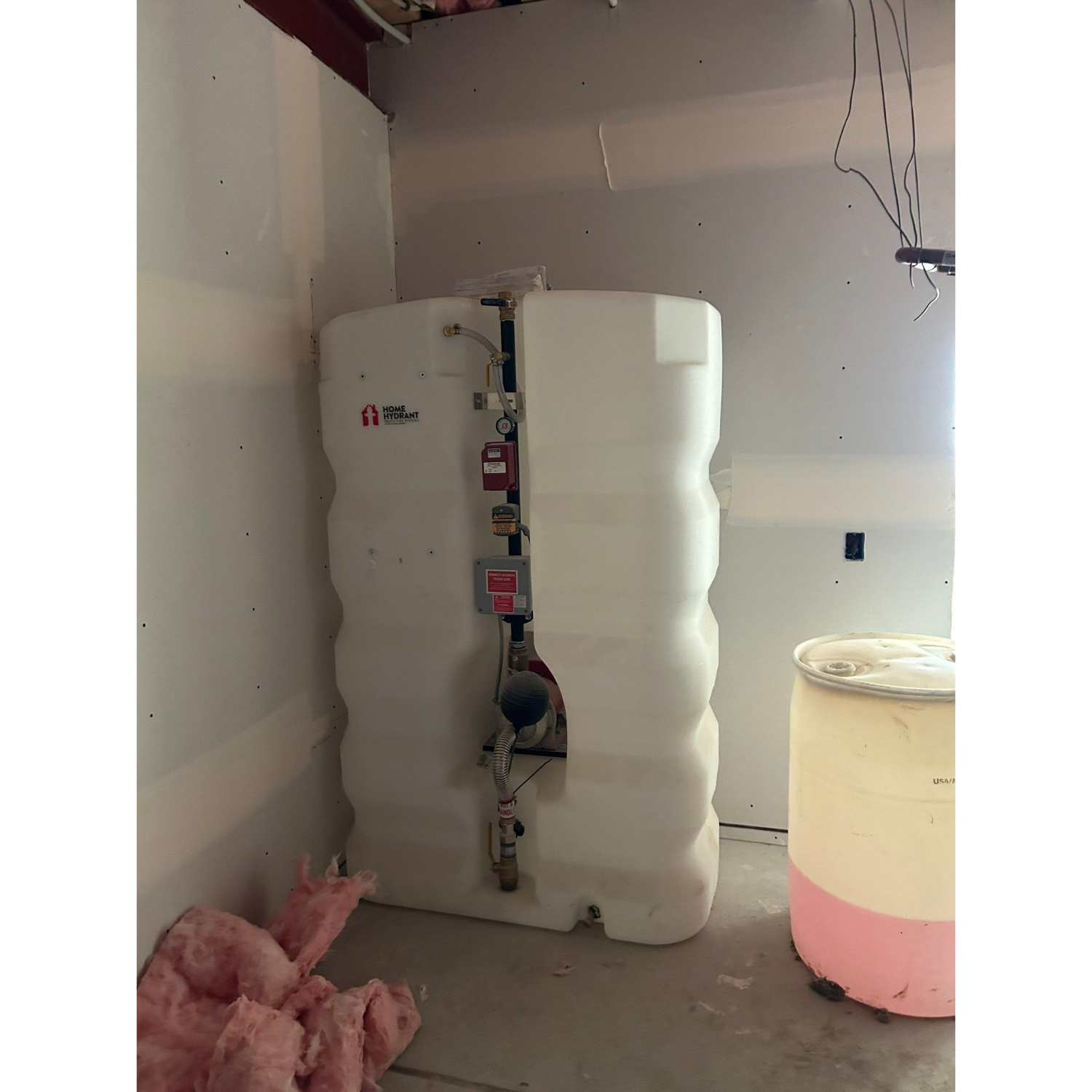
This is a fire suppression system
Builders also face high land prices, months of interest payments while waiting for approvals, rising labor costs, and increasingly complex building code requirements – including high-efficiency construction standards and electric vehicle charging infrastructure. On top of that, Colorado’s construction defect laws increase legal and insurance costs, making smaller ownership housing especially risky to build.
When all of these costs are combined, the result is clear: it is extremely difficult to build truly affordable or attainable housing under current rules, even when zoning allows more density.
Affordable housing cannot be created by zoning changes alone. Without addressing fees, timelines, liability, and regulatory costs, new development will continue to target higher price points – because those are the only projects that can absorb the risk.
Additional Costs
(Click each title to read more)
Financing & carrying costs
Builders must:
- Pay interest on construction loans while waiting months (sometimes years) for approvals
- Carry property taxes, insurance, and holding costs before construction even begins
Building code mandates
Modern codes add significant cost, including:
- High-efficiency windows and insulation
- Electrification requirements
- Electric vehicle charging or conduit requirements
- Updated mechanical, ventilation, and energy standards
Utility & infrastructure requirements
Developers are often required to pay for:
- Water and sewer taps
- Stormwater systems
- Sidewalks, streets, and other public improvements
Construction defect liability
Colorado’s construction defect laws significantly increase:
- Insurance premiums
- Legal exposure
- Risk for builders of condos and smaller ownership housing
This is a major reason many builders avoid entry-level ownership housing and instead build high-end rentals.
Labor shortages & material costs
Even when material prices stabilize, skilled construction labor remains scarce and expensive, further driving up costs.



 Lakewood Citizens Alliance