



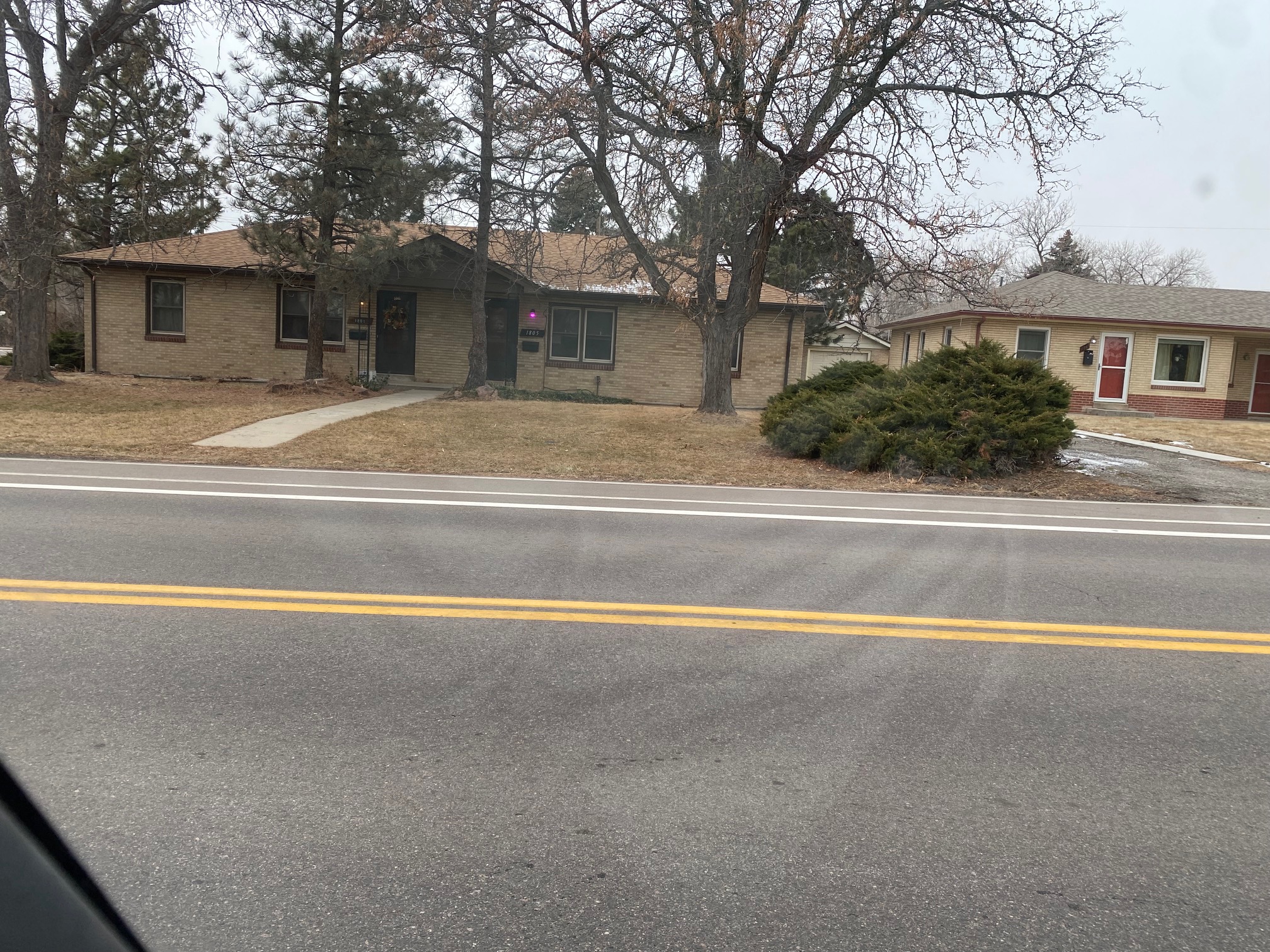
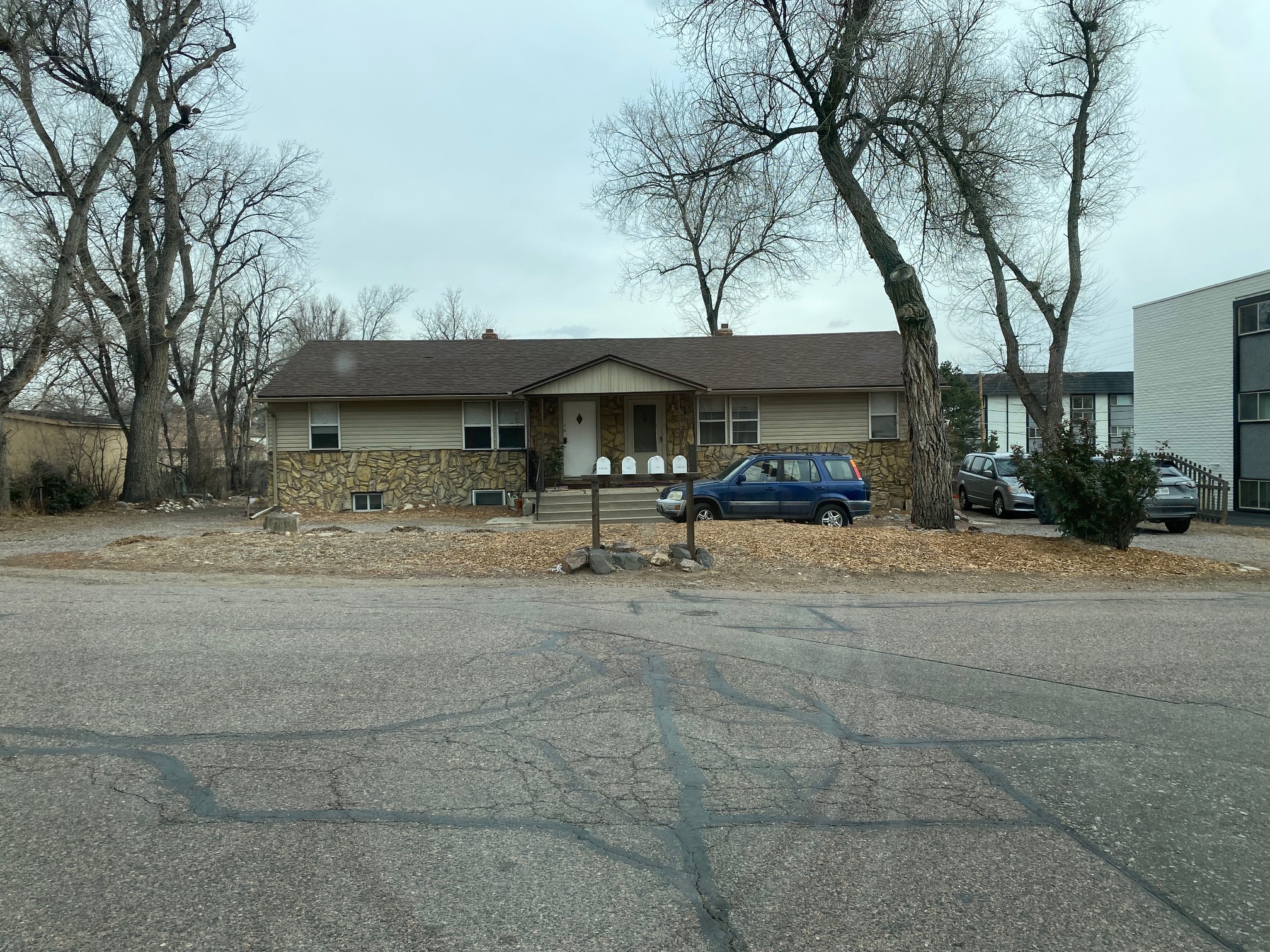
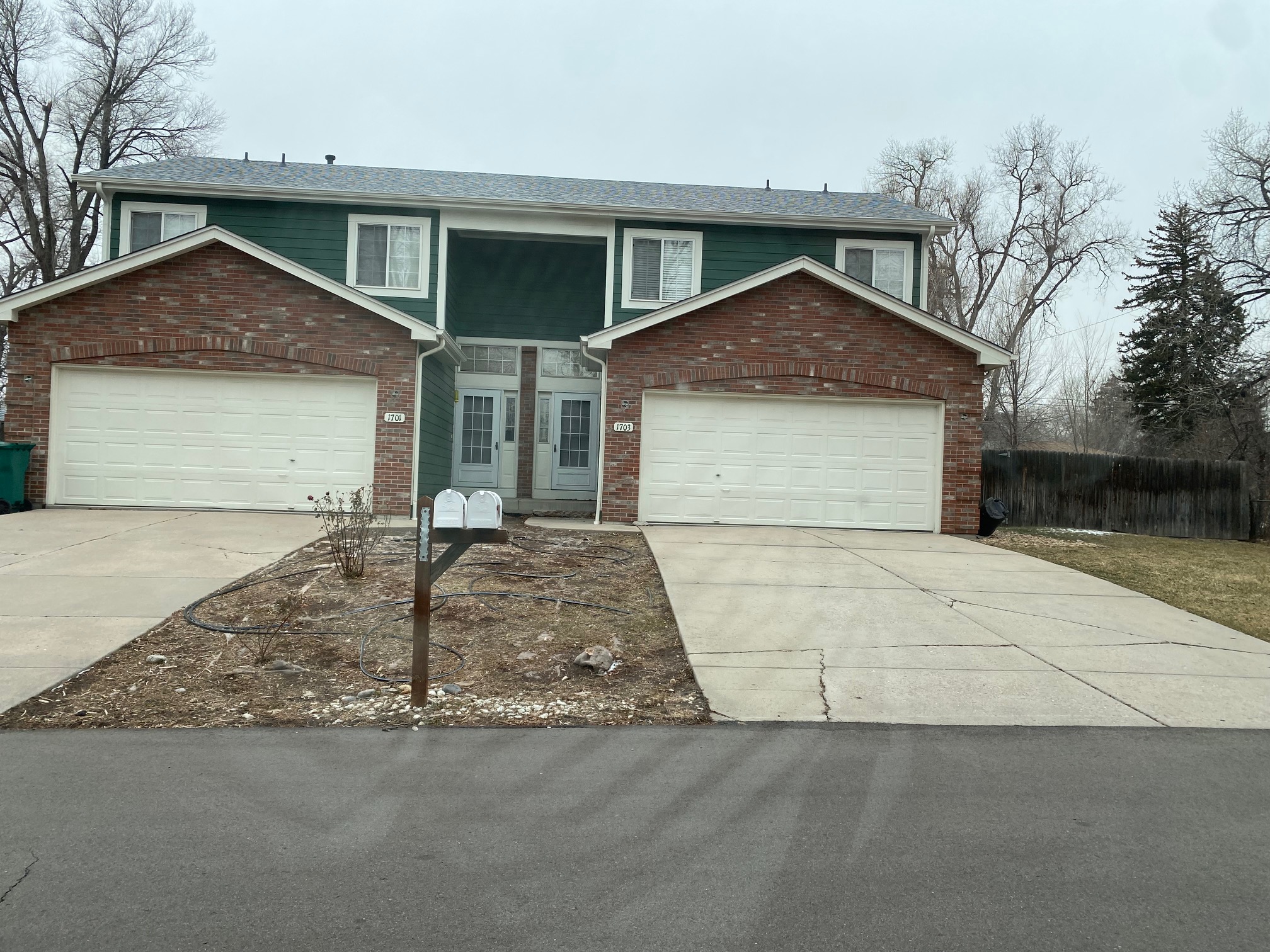
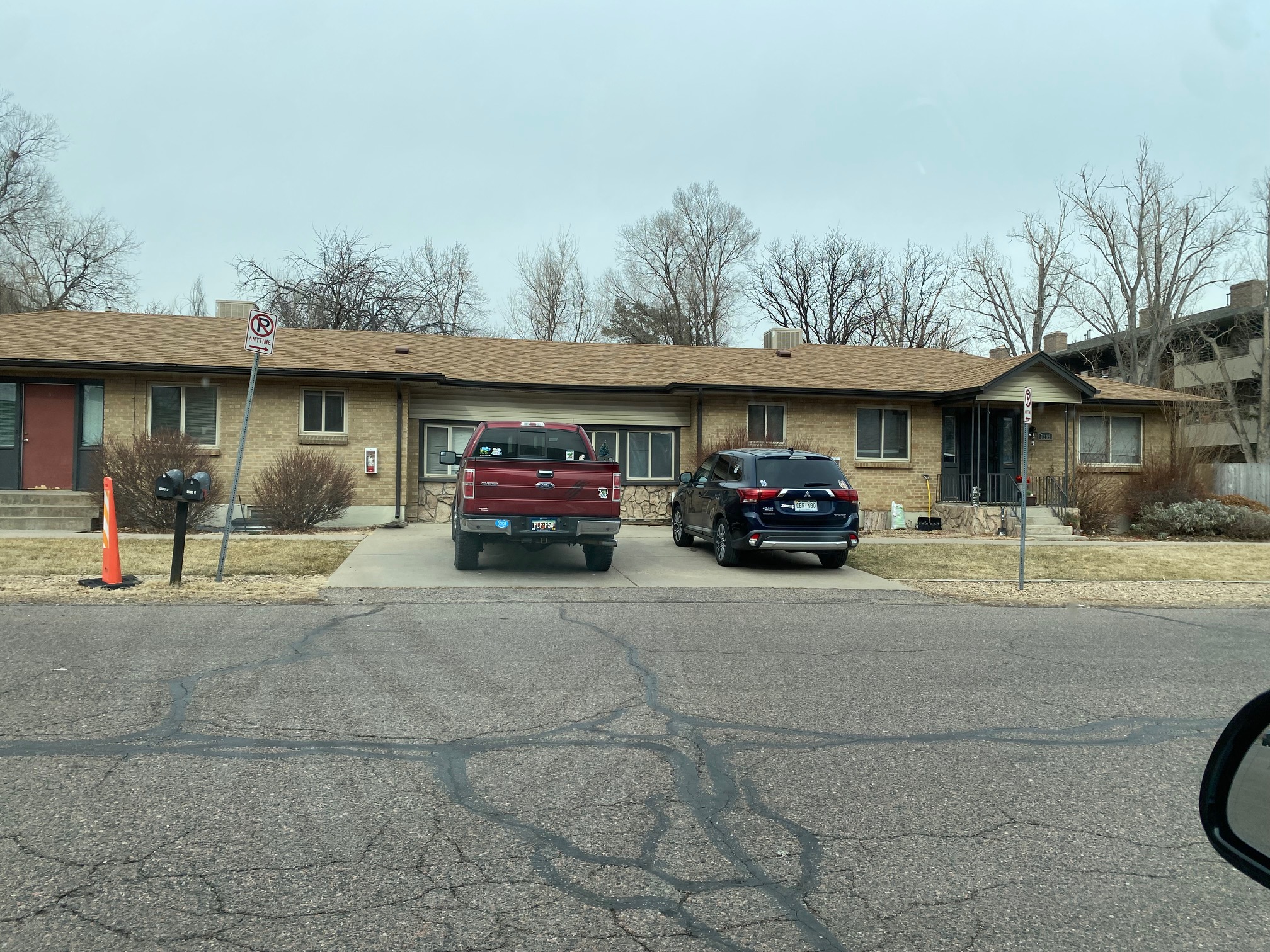
The “missing middle” in housing refers to the lack of diverse, house-scale housing types like duplexes, triplexes, townhomes, and small apartment buildings that fit between single-family homes and larger apartment complexes, offering more affordable and walkable options.
| Myth | Reality |
| Missing middle housing is new. | Missing middle housing has existed for decades and is already part of many established Lakewood neighborhoods. |
| Zoning changes create affordable housing. | Zoning changes alone do not reduce construction costs or guarantee affordability. |
| More density automatically lowers prices. | Higher density often increases land prices, fees, and risk — pushing projects toward higher price points. |
| Small multi-unit buildings are cheaper to build. | Smaller ownership projects often cost more per unit due to building codes, fire suppression requirements, and liability risk. |
| Developers avoid affordable housing by choice. | Many builders avoid entry-level housing because fees, timelines, and legal risk make it financially infeasible. |
| Missing middle means large apartment buildings. | Missing middle refers to duplexes, triplexes, fourplexes, townhomes, and small courtyard buildings — not high-rise apartments. |
| Allowing more units guarantees homeownership opportunities. | Without changes to construction defect laws and financing rules, most new projects become rentals rather than ownership housing. |
| Zoning reform fixes the housing crisis. | Housing affordability depends on costs, risk, infrastructure, and timelines — zoning is only one piece of a much larger equation. |
 Lakewood Citizens Alliance